Industrial Augmented Reality for Safety Training and Maintenance Operations
You’re under pressure to keep crews safe while equipment uptime can’t slip. With industrial augmented reality, you can place hazard zones, lockout steps, and tool guidance directly in a technician’s field of view, making mistakes harder to make and standards easier to follow. You can also bring in a remote expert without stopping work. The question is where AR delivers real value first—and where it doesn’t.
Key Takeaways
AR overlays real-time hazard zones, labels, and clearance cues to improve situational awareness on mine and plant sites.
AR safety training uses immersive simulations to recognize risks, practice emergency egress, and build safer habits without exposure.
AR maintenance guidance provides anchored, step-by-step instructions to prevent skipped steps, using the wrong tools, and misreading manuals.
AR enforces safety checklists with confirmations and enables remote expert review to reduce critical errors during complex procedures.
AR implementations integrate asset data, CMMS work orders, and permits to standardize procedures and improve compliance traceability.
What is Augmented Reality in Industrial Mining?
A digital overlay can turn a hazardous mine site into a guided learning space. In mining, industrial augmented reality adds context to what you’re seeing—labels on equipment, hazard zones on the ground, and step-by-step cues—through a tablet, headset, or smart glasses. You keep your eyes on the work area while AR reinforces safe distances, correct routes, and required PPE before you move.
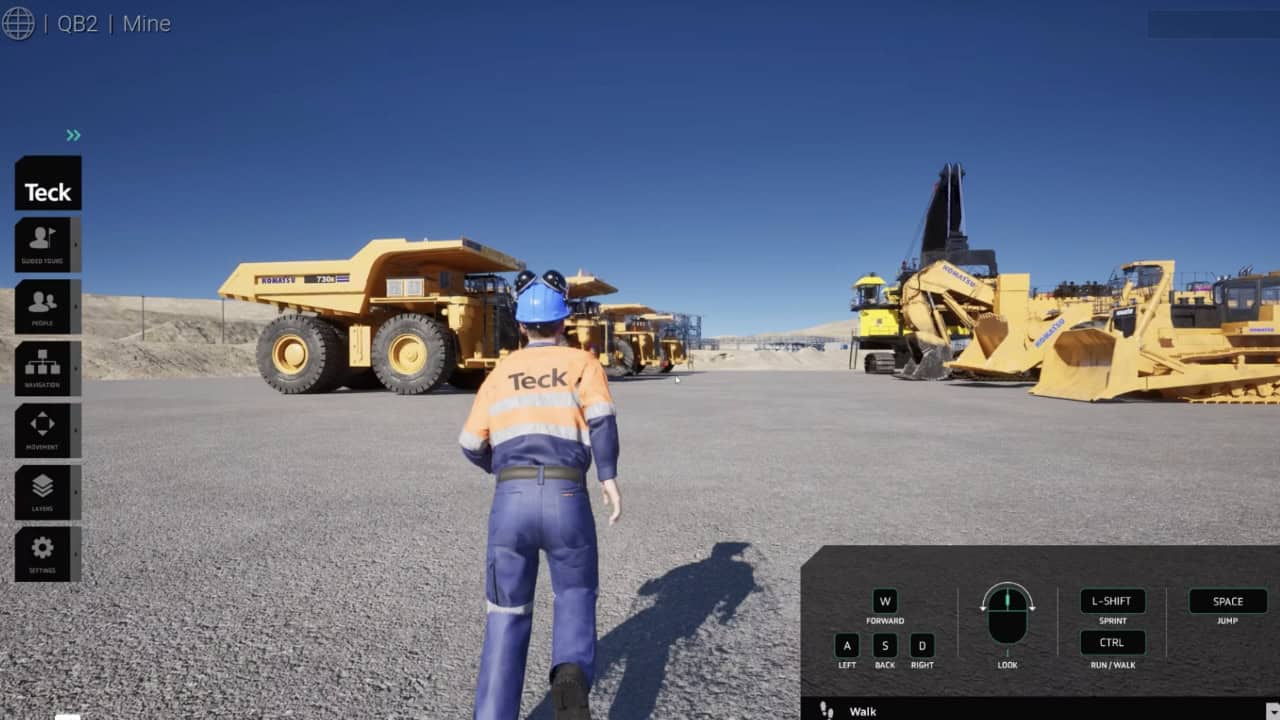
You use AR for virtual training that mirrors real headings, haul roads, and processing areas without putting you in harm’s way. With immersive simulations, you practice recognizing ground-control risks, traffic interactions, and emergency egress in realistic layouts. You learn faster, standardize procedures, and build safer habits before you enter active operations.
How Augmented Reality Reduces Maintenance Mistakes
Once AR helps you spot hazards and follow safe routes in mining areas, it can also tighten up day-to-day maintenance work, where small slip-ups can turn into downtime or injuries. You see step-by-step overlays on the exact component, so you don’t misread manuals or skip torque sequences. Clear visualization techniques highlight fastener locations, isolation points, and correct tool selection, reducing cross-connection, wrong-part installs, and missed inspections. AR can prompt checklists in your line of sight and require photo or sensor confirmations before you proceed, so you catch errors early. It also supports remote peer review, letting supervisors verify lockout/tagout and critical steps without rushing you. With consistent guided practice, your training efficacy improves, and you build safer habits that hold up under pressure.
Best Augmented Reality Use Cases in Heavy Industry
While safety training often gets the spotlight, AR delivers big wins across heavy-industry workflows where you can’t afford delays or missteps. On the plant floor, you can overlay hazard zones, lockout/tagout boundaries, and clearance checks to keep crews out of pinch points and energized areas. In confined spaces, AR can guide spotters with live line-of-sight cues and gas-monitor status to reduce exposure.
For operations, you can run safety simulations that rehearse crane lifts, vehicle routing, and emergency egress without putting people near moving loads. During shift handoffs, AR can visualize active permits, isolation states, and restricted-access areas to prevent assumption-driven errors. For training enhancements, you can standardize qualification by capturing what a trainee sees and verifying steps against safe-work procedures.
Implementing Augmented Reality in Industrial Maintenance
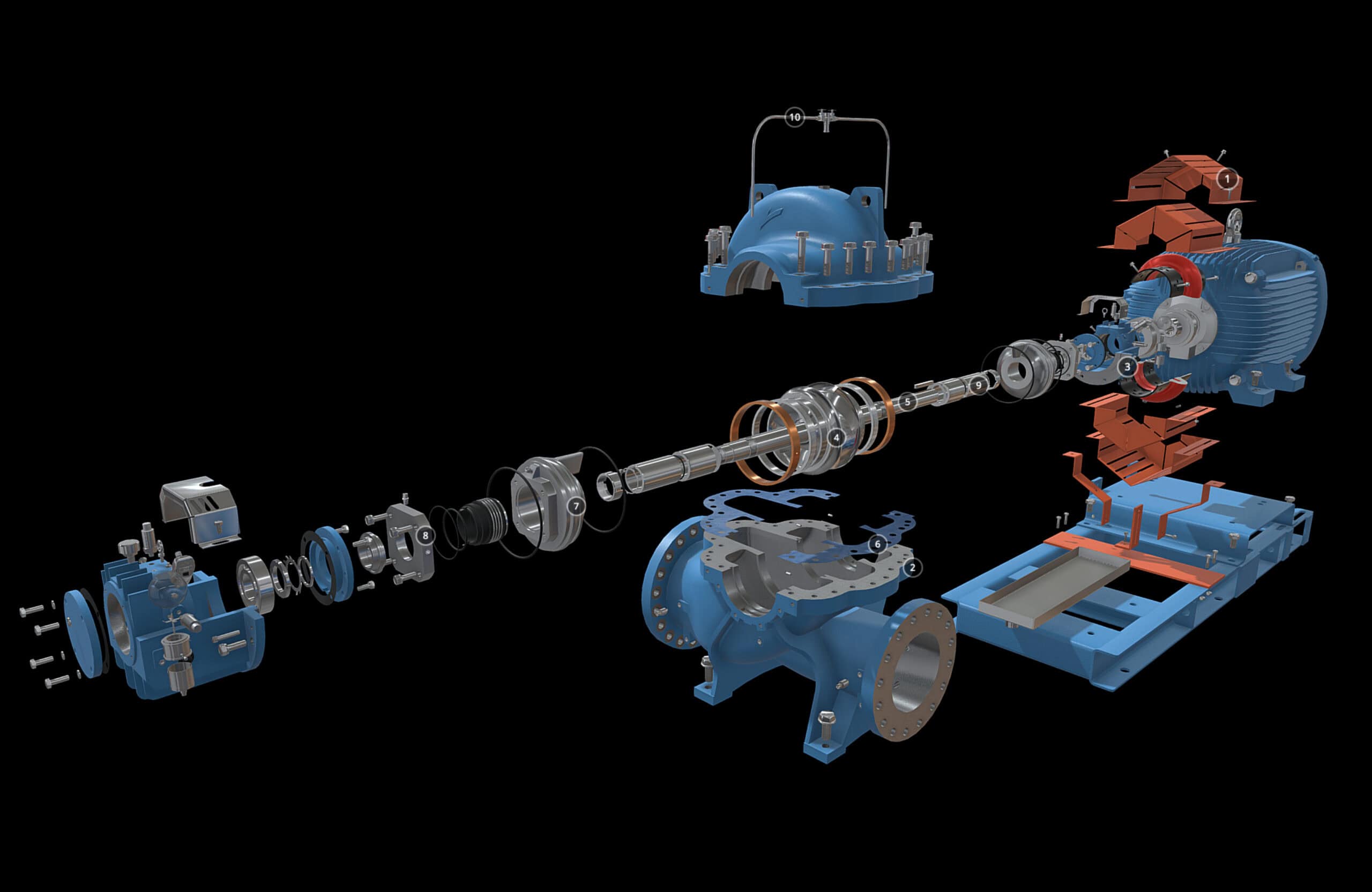
Bring AR onto the maintenance floor by turning your existing asset data and procedures into step-by-step, in-context guidance technicians can trust. Start with your highest-risk tasks and convert LOTO steps, torque specs, and inspection points into anchored overlays that confirm tool, part, and hazard zones before you proceed. Tie content to CMMS work orders so you log actions hands-free and capture photos for traceability. Validate every instruction with EHS and experienced techs, then run controlled pilots to measure reductions in errors and time-to-repair. Use remote collaboration to bring a qualified expert into the headset view for fast, safe decisions without crowding the work area. Build interactive simulations for rare failures so technicians rehearse responses without exposure, and update modules after every incident review.
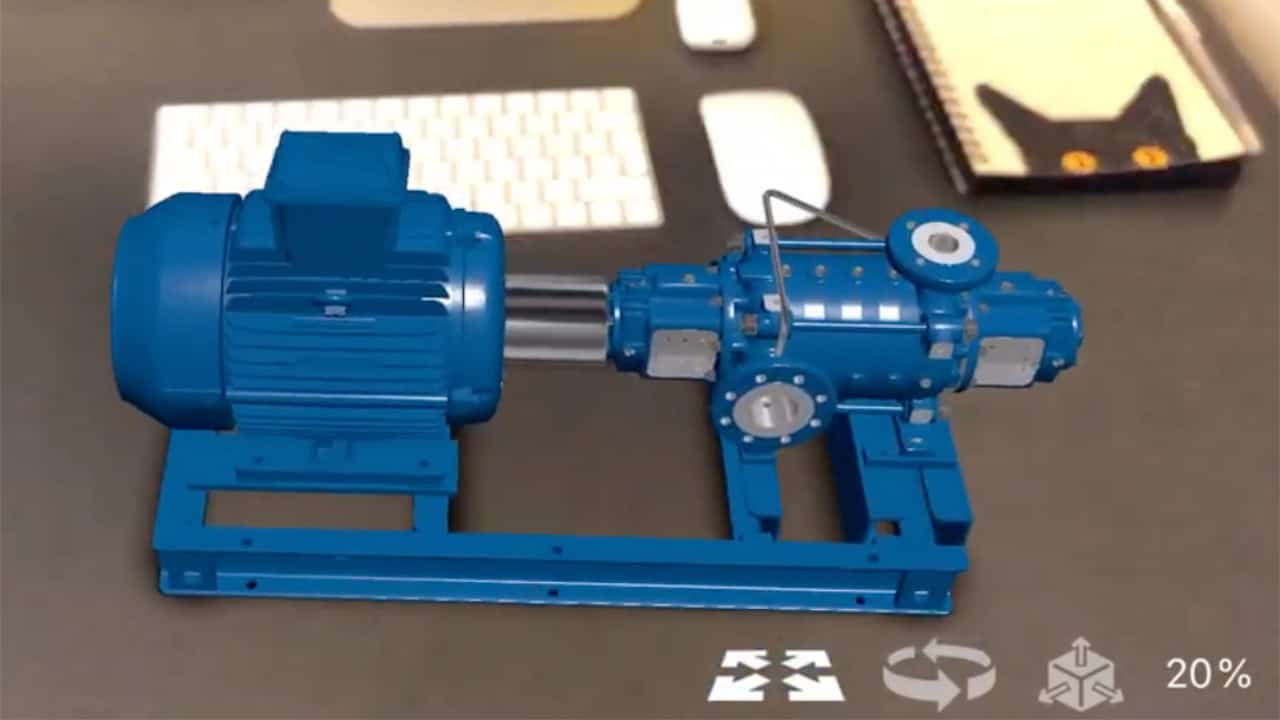
Augmented reality app demo of an industrial water pump
What’s Next for AR in Industrial Safety?
The next wave of AR in industrial safety will feel less like a headset demo and more like an always-on layer of verified protection: real-time hazard detection, adaptive coaching, and automated compliance proof. You’ll get alerts when you enter restricted zones, when PPE is missing, or when gas, heat, noise, or moving equipment creates changing risk.
You’ll also see future trends that connect AR to digital permits, lockout/tagout states, and sensor fusion, so instructions adapt to the exact asset and conditions in front of you. As safety innovations mature, you won’t just train—you’ll rehearse rare emergencies with realistic overlays, capture evidence hands-free, and generate audit-ready logs automatically. You’ll reduce reliance on memory, shorten response time, and keep every step traceable, repeatable, and safer.
Conclusion
You’ve seen how industrial augmented reality turns mining safety and maintenance into guided, real-time work. You can spot hazard zones faster, follow step-by-step overlays, and confirm you’re doing tasks the right way before mistakes happen. You’ll train quicker, stay compliant, and collaborate remotely with experts who can validate procedures on the spot. If you implement AR thoughtfully—starting with high-risk tasks—you’ll reduce downtime, boost confidence, and build safer habits that last.
You’re seeing virtual reality and digital twins move from optional tools to operational essentials. You can train crews in realistic scenarios, test procedures without shutdowns, and mirror critical assets with…
If you’re looking to revolutionize your industrial mining operations, interactive 3D models are the way to go. They enhance site planning, visualize complex terrains, and help you anticipate challenges early. With real-time data visualization,…