iMakerXR Main Logo

Digital Twins that Drive Performance, Safety, and Storytelling

Turn complex operations into clear, immersive insight—before and after first dig.
Outcomes

Clarity. Efficiency. Trust.

Clarity for Stakeholders
Replace guesswork with shared understanding through narrative‑ready walkthroughs.

Efficiency for Operators
Monitor, predict, and act with live context layered into your model.

Trust for Communities
Show impact transparently to earn buy‑in and reduce disruption.
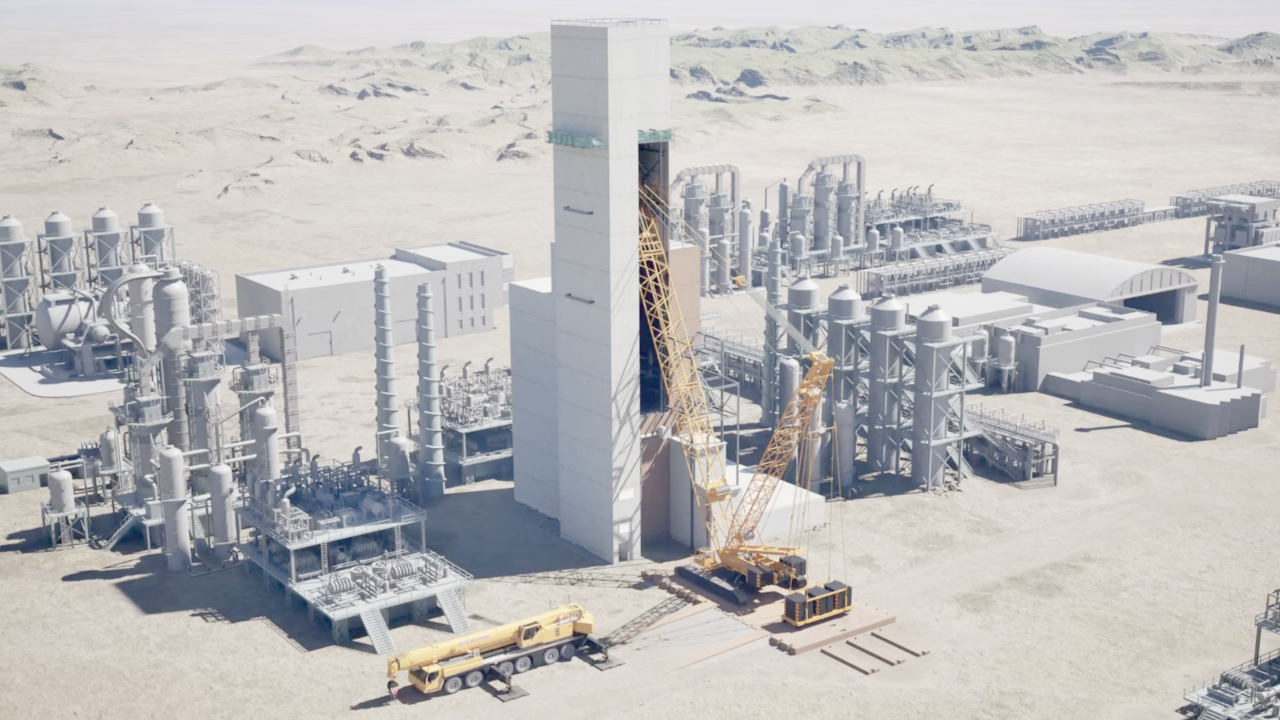
Steel Crane in 3D
Tara Resources - Brskovo Mine Presentation
Our Strategy

The Three Twins

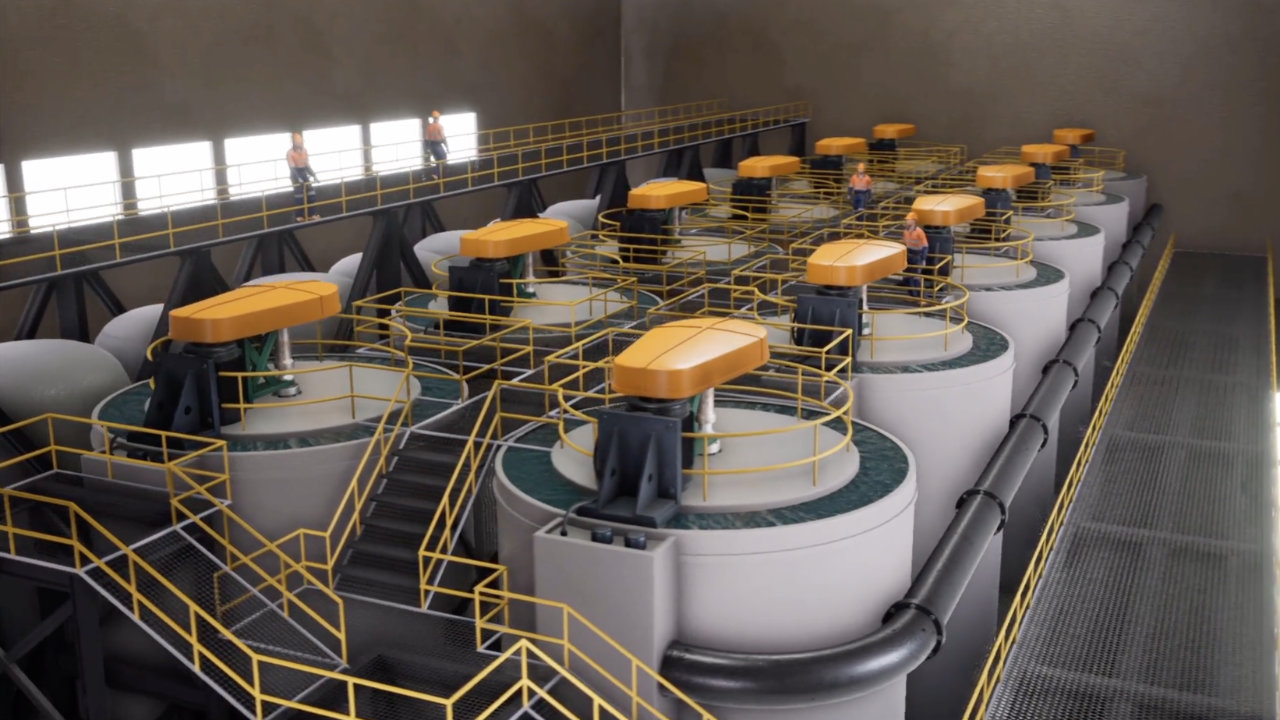
Sales & Marketing Twin
Bring investors, partners, and communities inside your operation with intuitive visuals and guided tours.

Performance Twin
Integrate process data to spot bottlenecks, test scenarios, and optimize throughput.

Health & Safety Twin
Simulate risk, rehearse procedures, and validate mitigations before boots hit the ground.
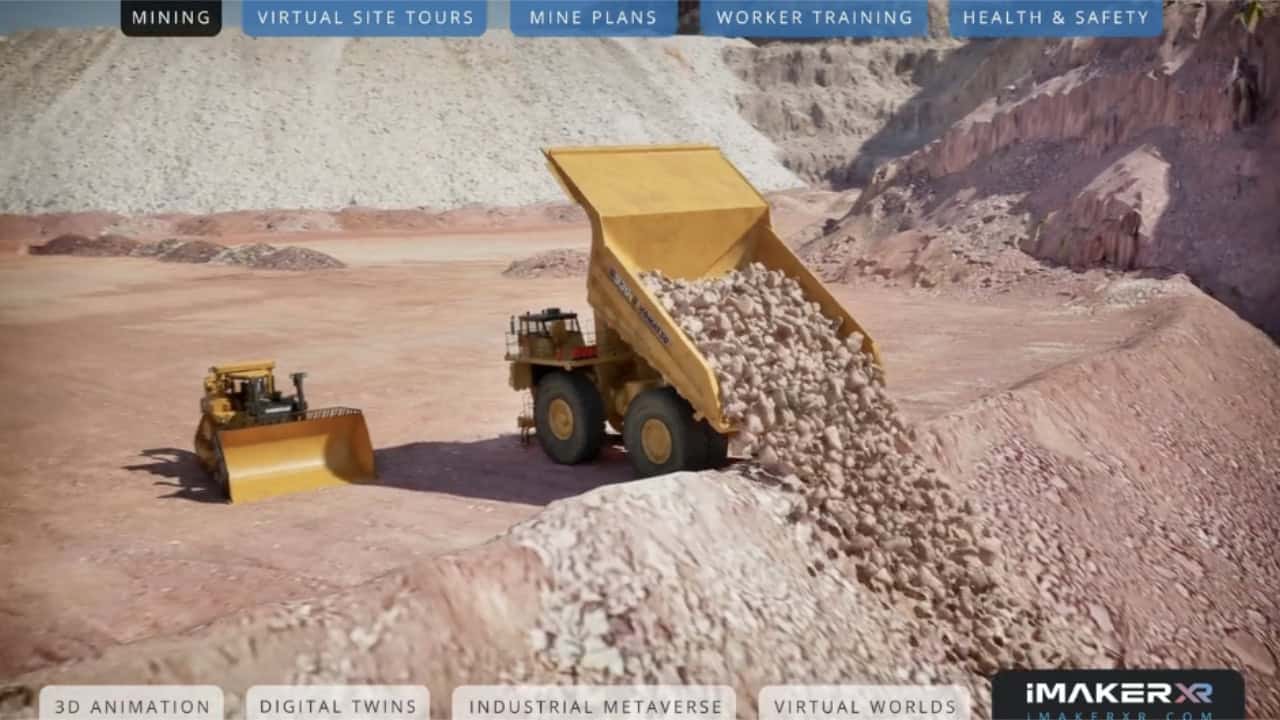
How It Works

From model to measurable impact

Foundation
Capture geometry, process, and site context.
Data Layering
Stream telemetry and operational data into the model.
Interaction
Role-based views for stakeholders, operators, and trainers.
Continuous Improvement
Close the loop with KPIs, scenarios, and training.
Outcomes

Outcomes We Optimize For

Faster Approvals
Shorten review cycles with crystal‑clear briefings.
Safer Training
Rehearse procedures virtually and reduce incident trends.
Throughput Gains
Scenario‑test operations to stabilize and improve output.
Steel Crane in 3D
Highlights

Scenario Testing Made Visual

Explore what-if changes and see projected impact before you commit resources.
2025 Mining 3D Visualization Demo
CoreBrace - Buckling Restrained Braces

Live Data in Context

Blend telemetry and procedures directly into spatial context for faster, safer decisions.

Role-based Views

Operators, safety leads, and executives see exactly what matters for their decisions.
Tara Resources - Brskovo Mine Presentation
FAQ

Questions, answered

A 3D model is a visual representation. A digital twin adds live or regularly updated data, role-based interactions, and scenarios so teams can monitor, predict, and make decisions.

No. Twins can start static, then layer in batch updates or live feeds as they become available. We design for progressive enhancement.

We follow your data boundaries, apply least-privilege access, and support isolated deployments. Sensitive details can be abstracted for public stakeholders.

Common outcomes include faster approvals, reduced rework, fewer incidents through rehearsal, and throughput gains from scenario testing. We baseline KPIs at kickoff.

An initial stakeholder-ready twin is typically assembled in weeks, using available geometry and data. Additional data layers and training modules follow iteratively.

CAD/BIM, GIS, historian/SCADA, IoT telemetry, CMMS, ERP, learning systems, and documentation. We map data to the twin’s context layer.

No. Twins render on the web first. VR/AR is optional for training, site walkthroughs, and spatial reviews.

We use the best available geometry (CAD/BIM/scan) and maintain a change log. For public sharing, we can simplify visuals without sacrificing intent.

See your operation in a new dimension

Get a demo tailored to your site and use case.